In every organisation, some level of employee turnover is expected. However, persistent or unusually high turnover doesn’t always remain a workforce issue. More often, it signals deeper organisational challenges related to leadership, culture, governance, and strategic alignment.
High-performing organisations recognise that compensation alone cannot create workforce stability. While competitive salaries and benefits remain important, they cannot replace environments lacking trust in leadership, opportunities for growth, or a genuine sense of purpose and belonging.
It is leadership decisions and cultural governance that shape these organisational conditions, making retention a reflection of organisational health.
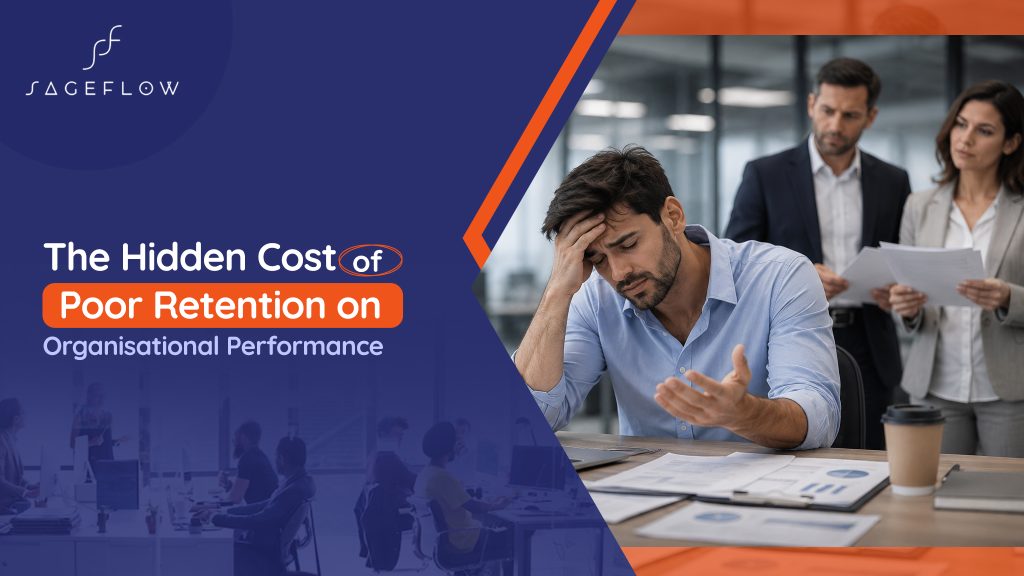
When experienced employees leave, the impact extends well beyond recruitment costs. Organisations lose institutional knowledge, disrupt collaboration, weaken decision-making capability, and place additional pressure on those who remain.
Over time, these effects reduce organisational performance, erode culture, and limit the organisation’s ability to adapt and grow.
Executive teams and boards should not view these outcomes solely as human resources concerns. They indicate whether leadership, culture, and organisational capability are aligned to support sustainable performance.
This article explores how leadership and organisational culture influence workforce stability, why retention should be understood as a measure of organisational health, and how strengthening culture governance can improve long-term organisational performance.
Organisational Conditions That Shape Workforce Stability
There is no single factor that shapes workforce stability. Of course, salary and career progression are something employees prioritise; it is the cultural governance that impacts organisational health.
Organisations with stable, engaged workforces create environments where people feel trusted, supported, and connected to a clear sense of purpose. When employees understand how their work contributes to the organisation’s direction and feel their efforts are recognised, they are motivated to work better.
Leadership also has a significant influence on that experience. When leaders consistently demonstrate the organisation’s values through their decisions and day-to-day behaviour, they build credibility and trust.
Employees gain confidence in the organisation’s direction and are better able to see where they fit within it. Without that consistency, uncertainty can grow, teamwork becomes more difficult, and engagement often begins to fade.
The everyday employee experience matters just as much. Opportunities to learn new skills, take on greater responsibility, receive meaningful recognition, and communicate openly with leaders all shape people’s prospects within the organisation.
Employees who feel valued and supported are generally more willing to navigate periods of change alongside the business.
On the other hand, inconsistent leadership, limited development opportunities, poor communication, or prolonged workplace pressure can gradually weaken trust and reduce long-term commitment.
For boards and executive teams, workforce stability is an indicator of overall organisational health. Looking beyond turnover numbers allows leaders to understand better the organisational conditions influencing employees’ decisions to stay or leave.
In many organisations, sustained workforce stability reflects effective leadership skills and a healthy organisational culture. It also highlights an environment where people have the confidence to perform, grow, and build long-term careers.
Hidden Costs of Cultural Misalignment
The visible costs of workforce turnover are relatively straightforward to measure. Recruitment, onboarding, training, and temporary productivity losses all place financial pressure on organisations. While these costs are high, they rarely represent the greatest organisational risk.
Then what is the greatest organisational risk? It is cultural misalignment. Organisations where leadership behaviour, accountability, and organisational priorities are not in sync experience slower execution and a declining organisational trust.
Workforce instability becomes a visible outcome of these deeper organisational conditions rather than an underlying problem. Highly knowledgeable people in organisations find it difficult to apply their ideas and make contributions.
In such a scenario, organisations have to rebuild the institutional knowledge. It becomes a time-consuming process requiring significant investment, which can impose a financial burden.
Cultural misalignment also affects how organisations perform under pressure. When leadership behaviours become inconsistent or organisational priorities don’t reflect everyday decisions, uncertainty begins to replace clarity.
Collaboration becomes more difficult, accountability weakens, and teams spend increasing amounts of time responding to operational challenges rather than advancing strategic objectives.
Over time, the gradual loss of organisational coherence reduces resilience and limits the organisation’s ability to adapt to growth, complexity, or disruption.
The effects extend beyond internal operations. Persistent workforce instability and inconsistent leadership can influence how customers, partners, and stakeholders perceive the organisation.
High-performing organisations recognise that culture governance cannot be reactive. They strengthen leadership alignment and organisational coherence before problems become operationally visible.
In doing so, they protect organisational capability and support sustainable organisational performance over the long term.
How Leadership Influences Organisational Performance?
Strategy rarely impacts the entire organisational performance. It is leadership’s ability to create alignment between organisational purpose, culture, decision-making, and execution.
When these elements are strongly connected, organisations can adapt to change, build workforce stability, and sustain performance.
Leadership influences organisational performance by establishing the cultural and operational conditions in which people contribute their best work.
Organisations that focus on clear direction, consistent decision-making, and visible accountability create confidence among people. Their consistent effort to reinforce values and strategic priorities helps build trust.
As people find an environment they can rely on, it ensures deeper collaboration and task execution. Leadership influence extends beyond day-to-day management.
Effective leadership shapes organisational capability by recognising meaningful contributions, encouraging continuous learning, and creating opportunities for professional growth. These practices are not simply employee engagement initiatives; they strengthen the organisation’s ability to retain knowledge, develop future capability, and respond confidently to changing business demands.
Transparency is equally important, particularly during periods of growth, transformation, or uncertainty. Organisations where leaders communicate openly about priorities, challenges, and decisions build a culture of information sharing. For boards and executives, it means having a clear understanding of what’s happening across different teams.
Consistent communication reduces uncertainty, reinforces organisational alignment, and enables people to understand how their work contributes to broader strategic objectives.
High-performing organisations recognise that operational results are not the only determining factor for strong leadership. Rather, it is the quality of organisational culture, the strength of governance, and the organisation’s ability to sustain performance over time that determines leadership.
Strengthening the Organisational Conditions That Support Workforce Stability
Workforce stability is not created through reactive responses to employee turnover. It reflects the quality of leadership, the strength of organisational culture, and the effectiveness of governance in shaping people’s experience of the organisation.
When organisations prioritise these elements, they position themselves to adapt to change, sustain performance, and build the capability for long-term success.
Leadership Visibility Creates Organisational Alignment
An organisation that focuses on regular leadership engagement provides more than opportunities for feedback. It enables leaders to understand how organisational priorities are interpreted across teams, identify emerging risks, and reinforce accountability before challenges affect performance.
The leaders encourage consistent dialogue, which helps build trust among people. They perceive that leaders are actively listening, responding, and maintaining alignment between strategic intent and day-to-day decision-making.
Culture Governance Builds Trust and Accountability
A strong organisational culture does not develop by chance. It is shaped through consistent leadership behaviours, governance practices, and shared accountability that reinforce organisational values.
When employees feel psychologically safe contributing ideas, raising concerns, and constructively challenging assumptions, organisations benefit from stronger collaboration, better decision-making, and greater resilience during periods of change.
Due to that reason, culture governance becomes a significant organisational performance and risk obligation rather than simply an employee engagement initiative.
Early Organisational Alignment Strengthens Long-Term Capability
Organisational capability begins to develop from the moment people join the organisation. High-performing organisations establish early alignment by connecting employees with their purpose, strategic priorities, values, and ways of working from the outset.
This early alignment creates a shared understanding of how individual contributions support broader organisational objectives. As clarity and collaboration develop, organisations strengthen their ability to integrate new capabilities. It also helps them preserve cultural consistency and maintain performance during periods of growth, transition, and change.
Continuous Capability Development Supports Sustainable Performance
Organisations that recognise that investing in people drives organisational capability are the ones who make it to the top. People respond confidently when in a culture where they continuously learn, get recognition from leadership, and find opportunities for professional growth.
Over time, these investments strengthen organisational resilience and improve the organisation’s ability to adapt as priorities evolve. They also create an environment where people can continue to grow within the organisation, supporting long-term workforce stability.
The Organisational Impact on Workforce Stability
Workforce stability is not only about reducing recruitment costs or extending employee tenure. It shows how organisations enable teams to perform with clarity, confidence, and consistency.
An organisation that speaks highly of leadership alignment and culture governance, and that reinforces priorities, can adapt to changing scenarios better.
Organisational Knowledge Strengthens Performance
Organisational knowledge is a valuable capability in a company that develops over time. It extends beyond documented processes to include practical understanding, experience, and relationships that enable teams to make informed decisions.
When leaders create the conditions to share such knowledge, it builds operational continuity. It also helps reduce unnecessary disruption, as everyone has a clear idea of what needs to be delivered. All these conditions allow executives to make informed decisions.
Stronger Collaboration Builds Organisational Capability
Collaboration gets strong when leadership creates an environment built on trust, shared accountability, and clear organisational direction. As teams develop stronger working relationships and a common understanding of organisational priorities, they can solve problems, share knowledge, and make better-informed decisions.
Rather than continually rebuilding capability in times of crisis, organisations can focus on strengthening execution. It will reduce the time to address those challenges and deliver long-term strategic outcomes.
Cultural Consistency Reinforces Organisational Confidence
Culture is a source of organisational strength when leadership behaviours reflect its purpose, values, and governance expectations. Such consistency creates clarity across organisations.
It also strengthens accountability and decision-making towards common strategic priorities. As confidence in leadership grows, organisations become better positioned to respond to complexity.
The consistency also helps them manage change and deliver long-term strategic outcomes.
Stronger Relationships Create Lasting Stakeholder Value
The alignment of leadership, culture, and governance builds lasting stakeholder confidence for organisations. When an organisation is consistent in its decision-making process and offers clear direction, others also perceive it as a strong entity.
The key stakeholders view the organisation as credible and trust it to adapt to changes. Such credibility helps maintain a strong relationship with partners. Also, organisations can navigate change while sustaining overall performance.
Supporting Workforce Stability Through Organisational Conditions
Workforce stability reflects how people perform when an organisation’s culture, governance, and leadership come together.
Strong culture governance and leadership enable organisations to strengthen capability, navigate complexity, and sustain long-term performance.
At SageFlow, we offer an advisory approach to organisations for building the conditions necessary to support robust performance and sustainable success. We work with boards and executive teams of organisations to plan strategies that strengthen their capabilities.
If your organisation is seeking to strengthen leadership alignment, culture governance, or long-term organisational capability, speak with a SageFlow principal to explore how we can support your strategic objectives.